Why Fast Water Extraction Is Essential to Prevent Mold Damage
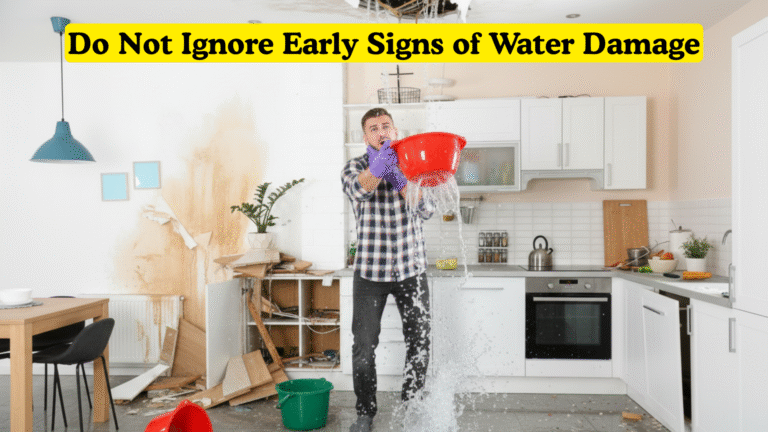
Water damage is stressful on its own, but the real danger often begins after the visible water is gone. One of the most serious long-term consequences of water intrusion is mold damage This is where emergency water extraction plays a critical role. Acting quickly can mean the difference between a clean, dry property and a costly mold remediation project.
Whether caused by a burst pipe, appliance failure, storm flooding, or sewage backup, standing water creates the perfect environment for mold. Understanding how emergency water extraction works and why timing matters helps prevent mold damage.
Why Mold Develops So Quickly After Water Damage
Under normal conditions, mold remain harmless. However, when moisture is introduced, those spores can activate and begin growing rapidly.
In most cases, mold can start developing within **24 to 48 hours** after water exposure. Porous materials such as drywall, wood, insulation, carpets, and cabinetry absorb moisture quickly, making them ideal breeding grounds. Warm temperatures and poor ventilation further accelerate the process.
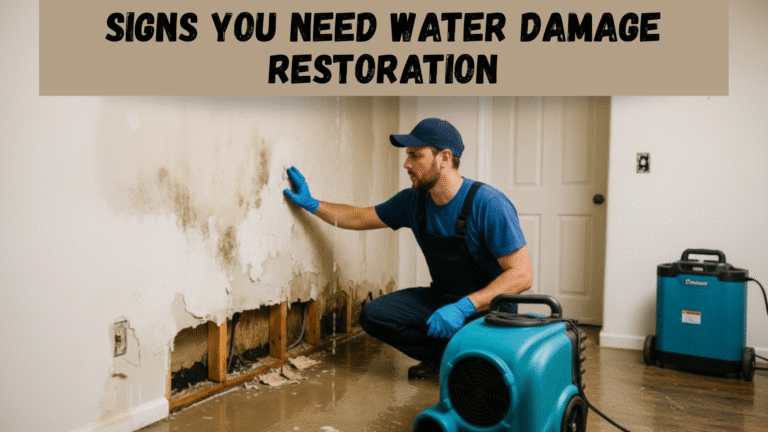
Once mold takes hold, it spreads invisibly behind walls, under floors, and inside HVAC systems, making removal far more complex and expensive.
What Is Emergency Water Extraction?
Emergency water extraction is the immediate removal of standing water using professional-grade equipment after a water damage event. Unlike basic cleanup methods, this process is designed to eliminate water from both visible and hidden areas of a structure.
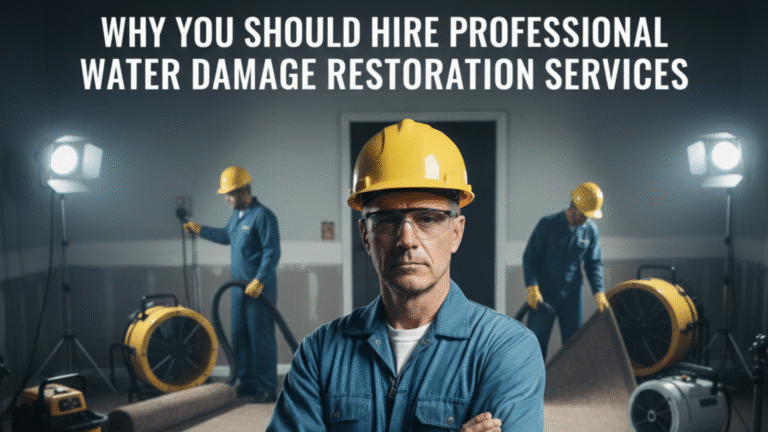
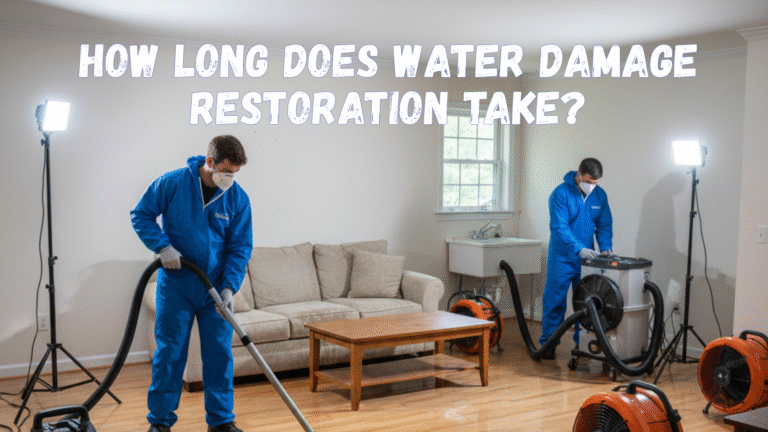
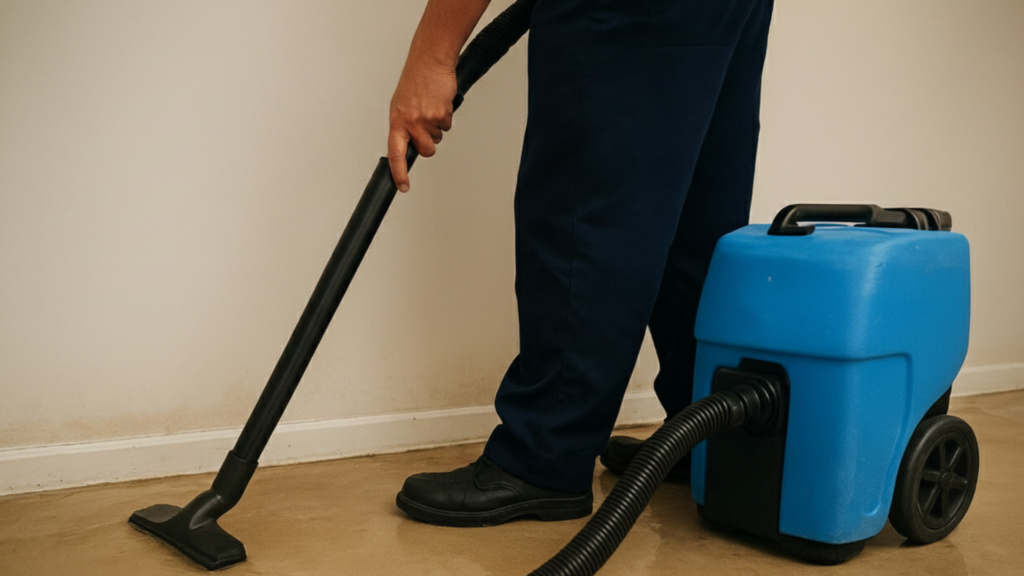
Professionals use high-powered pumps, industrial wet vacuums, and extraction tools to remove water from floors, carpets, subfloors, and hard-to-reach spaces. The goal is not just to remove surface water but to reduce moisture levels before mold has a chance to grow.
How Fast Water Removal Reduces Mold Risk
- Emergency water extraction helps prevent mold growth by:
- Removing standing water before it soaks into porous surfaces
- Lowering indoor humidity levels
- Stopping moisture from spreading into walls and structural components
- Creating conditions where mold spores cannot activate
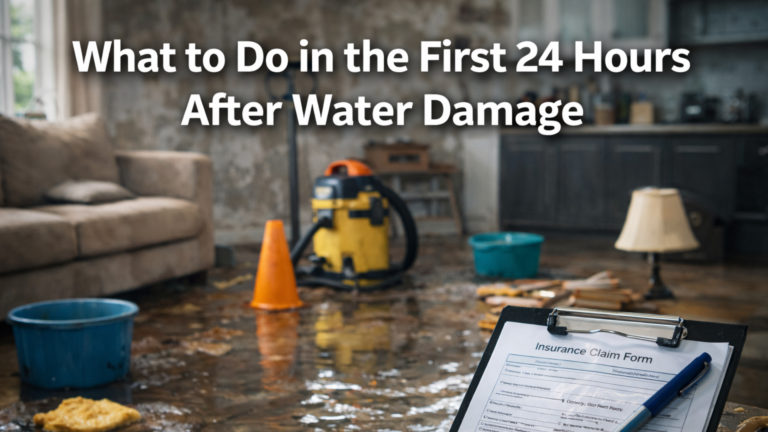
By addressing the water problem immediately, restoration professionals interrupt the mold growth cycle before it begins. For a complete guide on immediate steps you should take after water damage strikes, check out what to do in the first 24 hours after water damage.
The importance of using professional Equipment:
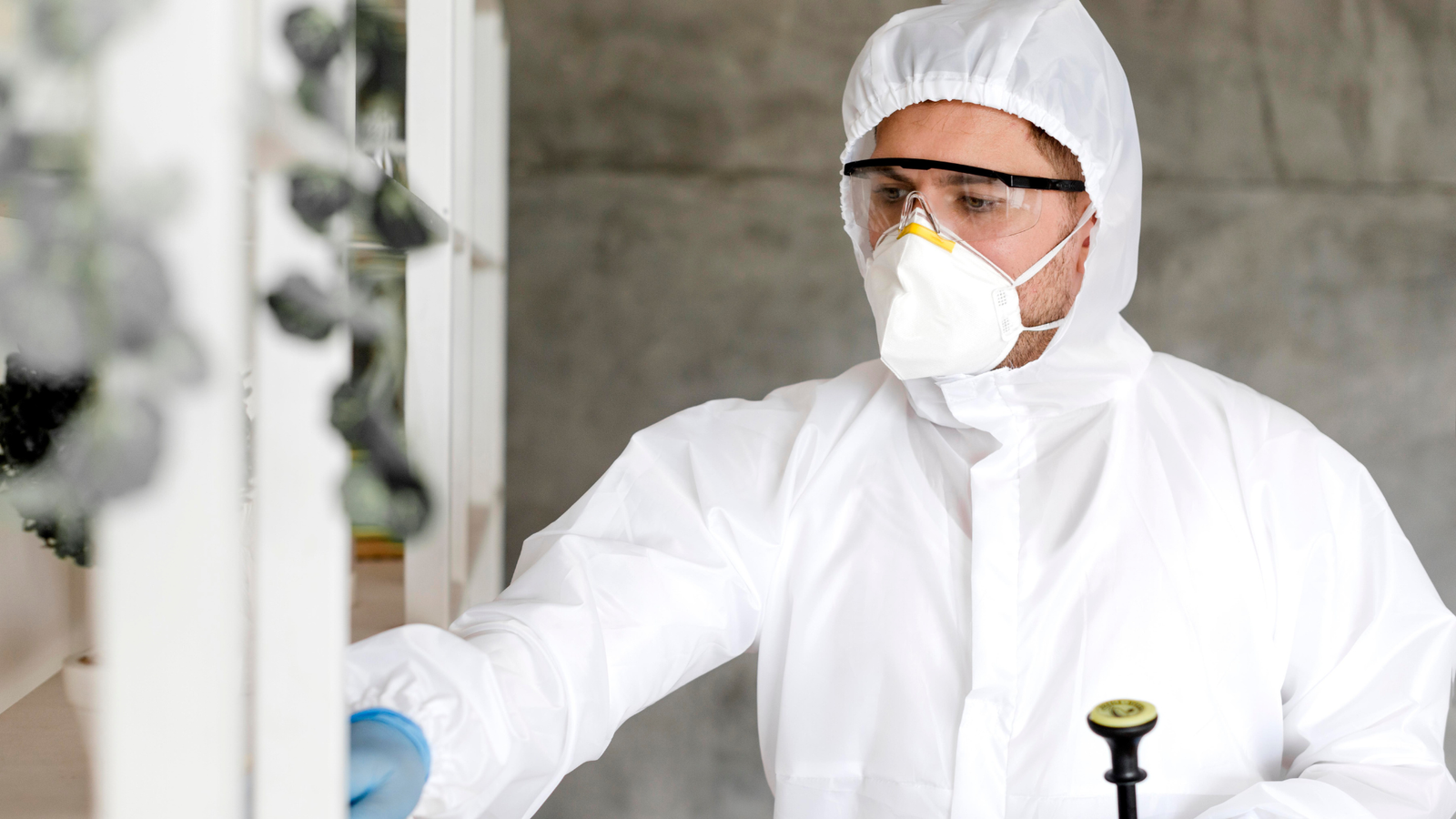
Household tools like mops, fans, or shop vacs are not sufficient for proper water removal. Professional water extraction equipment is designed to handle large volumes of water and detect moisture that is not visible to the naked eye.
Moisture meters and thermal imaging cameras are used to locate hidden damp areas behind walls and under flooring. Industrial air movers and dehumidifiers are then used to dry the structure thoroughly.
This comprehensive approach ensures that no residual moisture remains—one of the most common reasons mold returns after DIY cleanup.
Why Drying and Dehumidification Matter After Extraction
Water extraction is only the first step. Even after standing water is removed, moisture remains trapped inside materials and the air.
Proper drying and dehumidification are essential to prevent mold growth. Commercial dehumidifiers pull excess moisture from the air, while high-velocity air movers promote evaporation from wet surfaces. This controlled drying process stabilizes moisture levels and prevents secondary damage such as warping, swelling, or microbial growth.
Skipping or rushing this step significantly increases the risk of mold developing days or weeks later. Want to learn the quickest flood restoration technique? Take a look at our full guide here.
Health Risks of Mold Caused by Delayed Water Extraction
Mold is not just a structural issue—it’s a health concern. Exposure to mold spores can trigger respiratory problems, allergic reactions, headaches, and asthma symptoms. Children, elderly individuals, and those with weakened immune systems are particularly vulnerable.
In severe cases, prolonged mold exposure can lead to chronic health conditions and poor indoor air quality. Emergency water extraction minimizes these risks by stopping mold before it starts.
Situations Where Emergency Water Extraction Is necessary
Certain water damage scenarios demand immediate action:
- Flooding from heavy rain or storms
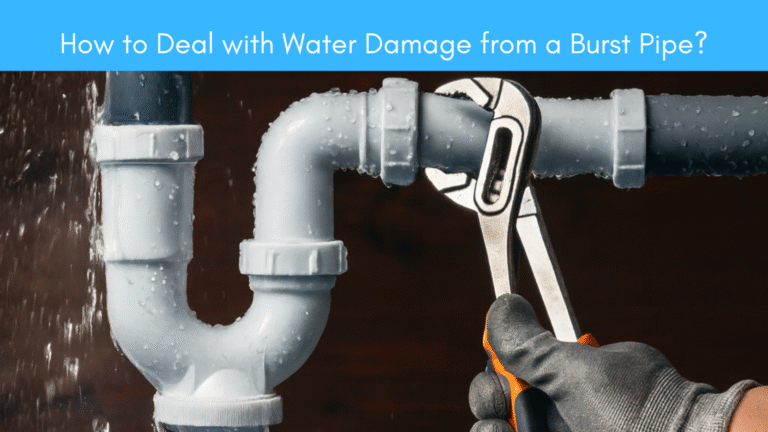
- Burst or leaking pipes
- Sewage backups
- Water heater failures
In these situations, delaying extraction—even by a few hours—can significantly increase mold risk and restoration costs. Learn more about kitchen water damage in Los Angeles here.
Why DIY Water Removal Often Fails
Many property owners attempt to handle water damage themselves, believing they can save time or money. Unfortunately, DIY methods often leave behind hidden moisture.
Without professional moisture detection tools and industrial drying equipment, it’s nearly impossible to fully dry affected areas. This creates a false sense of security while mold grows out of sight. By the time it becomes visible, extensive remediation is usually required.
Insurance and Documentation Benefits of Emergency Extraction
Another often-overlooked benefit of professional water extraction is proper documentation. Restoration professionals document moisture levels, drying progress, and damage assessments, which can be essential for insurance claims.
Quick response and professional mitigation also demonstrate that the property owner took reasonable steps to prevent further damage—something insurers often look for when evaluating coverage.
Long-Term Cost Savings of Acting Fast
Emergency water extraction is not just about immediate cleanup—it’s an investment in long-term protection. Preventing mold growth reduces repair costs, protects property value, and avoids future health concerns.
Compared to the expense of mold remediation, structural repairs, and possible relocation, emergency water extraction is a cost-effective solution that pays off quickly.
Final Thoughts
Emergency water extraction is one of the most effective ways to prevent mold growth after water damage. By removing water quickly, controlling moisture levels, and properly drying affected areas, property owners can stop mold before it becomes a serious problem.
When water damage occurs, time is critical. Acting fast, relying on professional expertise, and understanding the importance of proper extraction can protect both the structure and the people inside it.