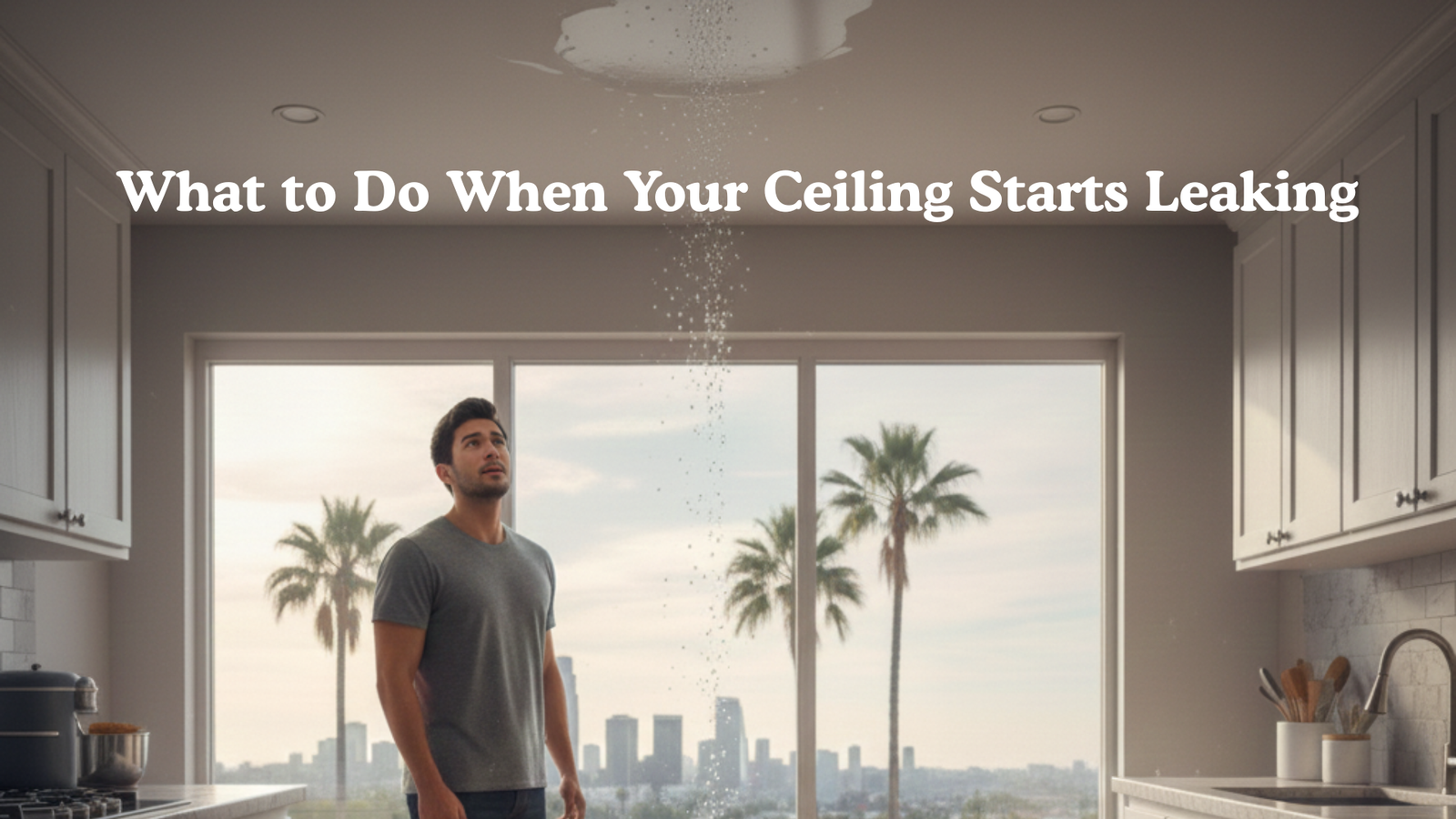
What to Do When Your Ceiling Starts Leaking in Los Angeles
A ceiling leak is one of those problems that never waits for the “right time.” It usually happens at the most inconvenient moment late at night, during a heavy Los Angeles rainstorm, or right when your AC is running nonstop in the summer.
And if you live in LA long enough, you’ll notice this is a very common issue. Older homes, aging plumbing, flat roofs, and multi-unit apartments make ceiling leaks almost a seasonal problem here.
Whether you’re in Sherman Oaks, Downtown LA, Santa Monica, or the Valley, the steps you take in the first 10–20 minutes can literally decide the difference between a small repair and thousands of dollars in restoration work.
This guide is written exactly the way a real technician would explain it simple, practical, and focused on what actually works in Los Angeles homes.
Why Ceilings Leak So Often in Los Angeles
Los Angeles has its own unique reasons for ceiling leaks, and homeowners are often surprised by how quickly small issues turn into big damage.
1. Aging Plumbing in Older LA Buildings
If you’ve lived in neighborhoods like Hollywood, Mid-City, or Pasadena, you already know how old some of these buildings are. A tiny crack in a pipe above the ceiling can leak slowly for weeks without anyone noticing.
2. Heavy Winter Rainfall
LA may be sunny most of the year, but when rain hits… it hits hard.
Flat roofs, clogged gutters, and worn-out roofing materials are the biggest reasons for rain-related ceiling leaks.
3. AC or HVAC Condensation
Most LA homes rely heavily on AC. A blocked condensate drain or rusted drip pan can easily lead to a ceiling leak right under the system.
4. Leaks From Upstairs Neighbors
If you live in an apartment, this is probably the most common reason.
Overflowed bathtubs, leaking toilets, and broken washing machine hoses upstairs can quickly turn into a dripping ceiling below.
Step-by-Step: What to Do the Moment Your Ceiling Starts Leaking
When water starts dripping from the ceiling, your first reaction might be panic — but the right steps can keep the situation under control.
1. Stay Safe — Turn Off Electricity in That Area
If the leak is close to a light fixture, ceiling fan, or wiring, switch off the power to that room immediately.
In LA, many homes have old wiring, so water + electricity is not a risk you want to take.
2. Move Your Furniture and Electronics
Before you even look for the source, protect your belongings.
Shift sofas, wooden furniture, carpets, and electronics away from the leak.
Place a plastic sheet or towel on anything that can’t be moved quickly.
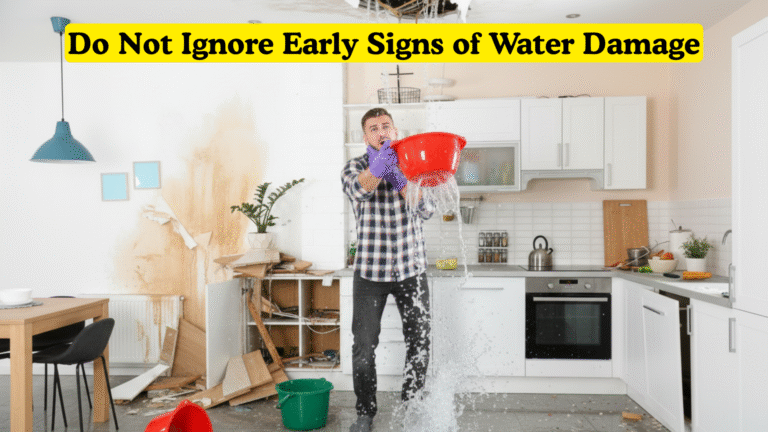
3. Catch the Water
Grab whatever you can find—buckets, bowls, large pots, even storage bins.
If the ceiling is forming a water bubble (a sagging soft spot), do not poke it yourself.
You might end up causing a partial collapse.
4. Try to Identify Where the Water Is Coming From
This step helps you understand the severity.
Typical LA causes include:
- Heavy rainfall → roof leak
- Dripping only when AC is on → AC condensation issue
- Continuous flow → burst pipe
- Leak directly below a bathroom → plumbing or fixture leak
- Leak below upstairs laundry area → washing machine overflow
If the water is brownish, it’s often roof-related.
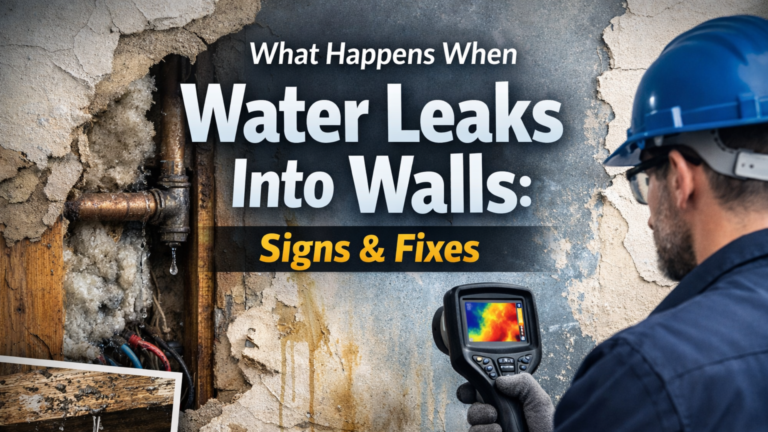
If it’s clear and steady, the issue is probably from a pipe. If you want to dive deeper into how to detect hidden water damage in your home, check out our complete guide here
5. Shut Off the Main Water Supply (If It Looks Like Plumbing)
If the leak is strong and continuous, turn off the main water line.
This stops any further flooding until help arrives.
6. Take Photos and Videos — Your Insurance Will Need Them
Don’t skip this step.
Document:
- How much water is coming through
- Where it’s dripping
- Any damaged furniture
- The condition of the ceiling
- Water spreading across floors or walls
Los Angeles insurance adjusters always ask for visual proof, especially for sudden water damage claims.
7. Call a Local Water Damage Restoration Company (Immediately)
Here’s the truth: Home fans and mops will NOT fix a ceiling leak.
The real danger is the water inside the ceiling cavity, which you can’t see.
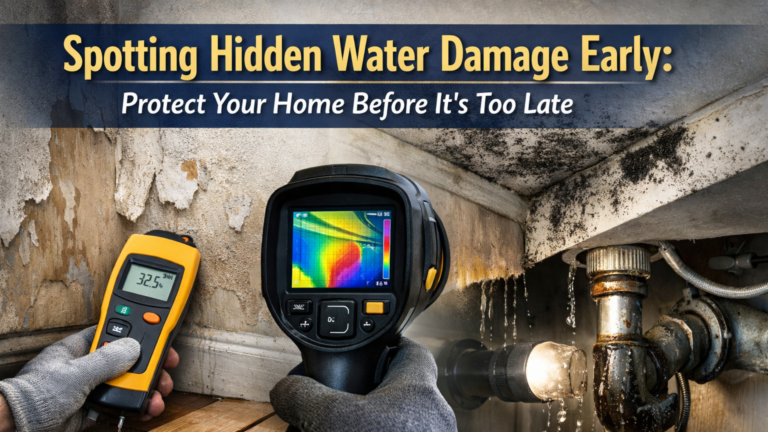
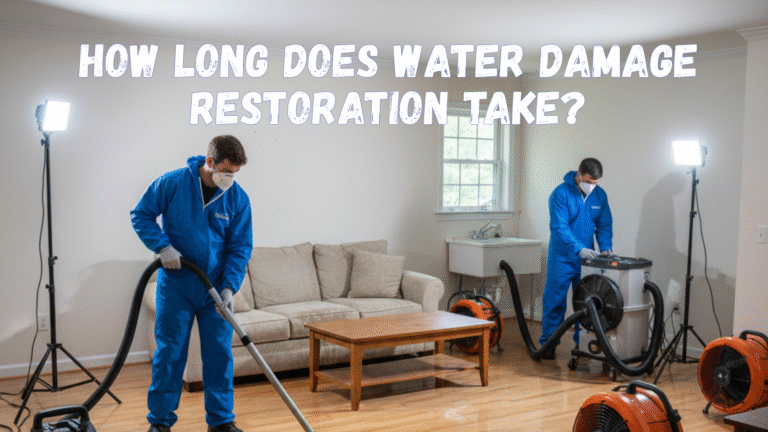
Professional companies in Los Angeles use:
- Moisture meters
- Thermal cameras
- Commercial dehumidifiers
- Wall cavity drying systems
They can tell exactly how far the water has traveled and prevent mold, which can start forming in 24–48 hours.
8. Avoid Quick DIY Patches
Most homeowners try to:
- Put tape over the ceiling
- Paint over the stain
- Patch it with plaster
These short-term fixes always fail because the ceiling stays wet inside — and eventually collapses or grows mold.
If you’re dealing with bathroom water damage, you can follow the step-by-step guide on this page to fix it quickly.
What Restoration Companies Usually Do in LA Homes
A licensed Los Angeles restoration team will typically follow this process:
1. Inspect & Find the Source
They check the roof, AC, plumbing, and ceiling cavity.
2. Remove Standing Water
If there’s water pooling inside the ceiling, they drain it safely.
3. Dry the Ceiling Cavity
They remove wet drywall or insulation and use industrial drying equipment.
4. Treat Mold Risk
Los Angeles humidity + wet drywall = mold in days.
5. Repair & Restore
Once everything is dry, they patch, texture, and repaint the ceiling.
Insurance Coverage in Los Angeles
Most LA homeowners insurance policies cover:
- Burst pipes
- AC line leaks
- Sudden plumbing failures
They don’t cover:
- Long-term hidden leaks
- Poor roof maintenance
- Mold caused by delays
If you live in an apartment, the responsibility may fall on:
- The upstairs tenant
- Building management
- Homeowners association (HOA)
But your own insurance may still need to cover your personal belongings.
How to Prevent Ceiling Leaks in the Future (LA-Specific Tips)
- Clean gutters before rainy season
- Service AC once a year
- Check roof seals and flashing regularly
- Fix dripping fixtures immediately
- Install moisture alarms in attics and ceilings
- Don’t ignore small ceiling stains — they always grow
Final Thought
A ceiling leak is stressful, but it doesn’t have to turn into a disaster.
If you respond quickly, shut off water when needed, and bring in professionals early, you can prevent most of the long-term damage.
Los Angeles homes are unique flat roofs, older plumbing, and multi-unit living mean leaks spread faster than people expect. Handling it correctly in the first hour is the key to protecting your home, your belongings, and your peace of mind.