Kitchen Water Damage: What Homeowners in Los Angeles Must Know
Kitchen water damage is one of the most common and costly problems faced by homeowners in Los Angeles. Because kitchens contain multiple water-using appliances, plumbing lines, and drainage points, even a small failure can quickly turn into widespread damage. What makes kitchen water damage especially dangerous is that it often starts silently and spreads behind cabinets, under flooring, and into walls before it’s noticed.
For LA homeowners, understanding the causes, risks, and proper response to kitchen water damage is critical. Local building styles, older plumbing systems, and seismic activity all increase the chances of hidden water damage that can escalate fast if ignored.
Why Kitchen Water Damage Is a Serious Issue in Los Angeles Homes
Los Angeles homes especially older properties often rely on aging plumbing systems that were never designed to support modern appliances like high-capacity dishwashers and refrigerators with ice makers. Combined with hard water, mineral buildup, and occasional earthquake tremors, kitchen plumbing is under constant stress.
Additionally, many LA kitchens feature wood cabinetry, laminate flooring, and drywall construction all materials that absorb moisture quickly. Once water penetrates these surfaces, structural weakening, mold growth, and bacterial contamination can begin within 24 to 48 hours.
Kitchen water damage is not just a cosmetic issue; it’s a structural and health concern.
Most Common Causes of Kitchen Water Damage
Understanding the root causes helps homeowners detect problems early and prevent major losses.
Leaking or Burst Plumbing Pipes
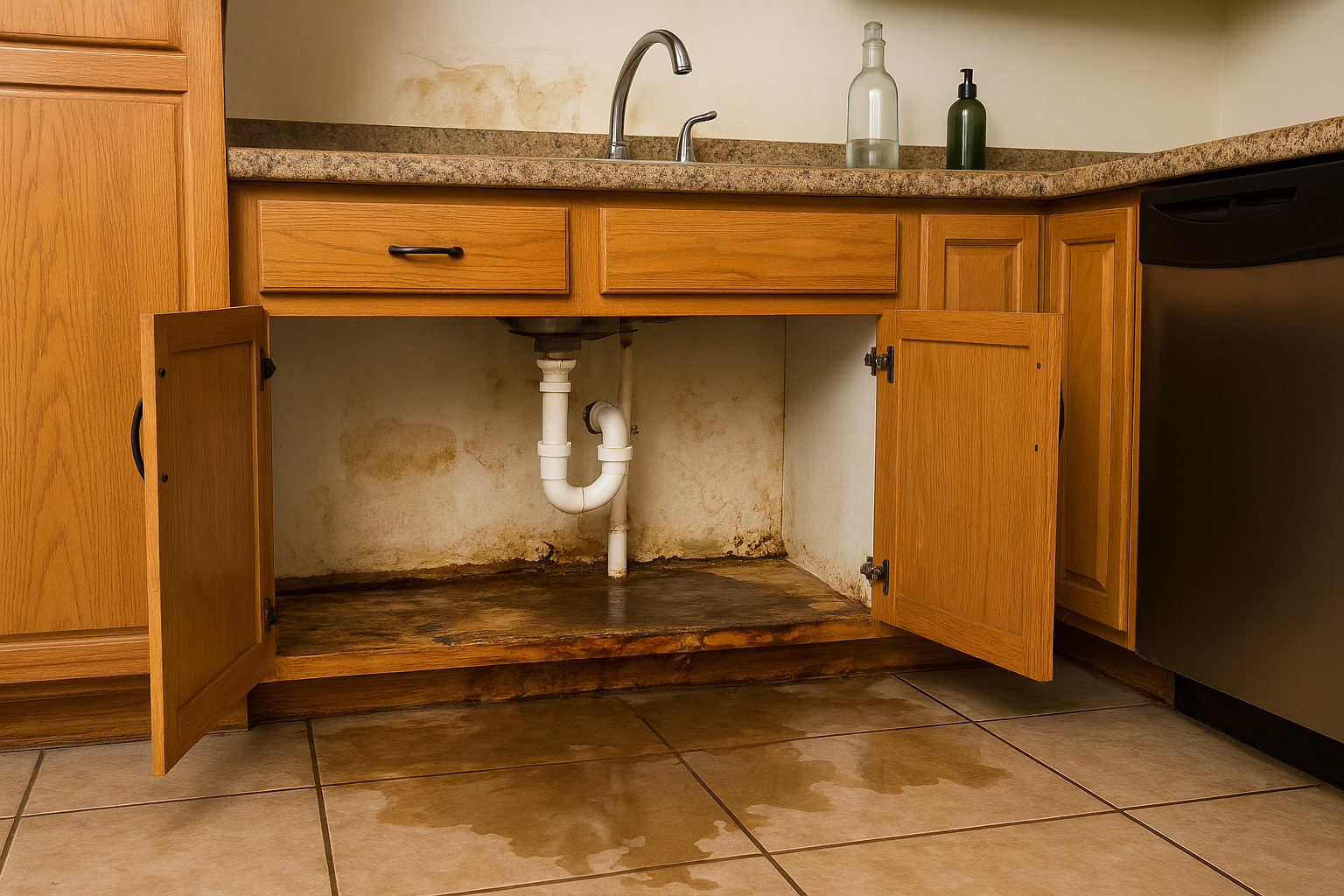
Pipes beneath kitchen sinks or inside walls can corrode, crack, or loosen over time. Slow leaks often go unnoticed until cabinets swell or flooring buckles.
Appliance Failures
Dishwashers, refrigerators, and garbage disposals are leading causes of kitchen water damage. A worn hose, faulty valve, or loose connection can release gallons of water in minutes.
Clogged or Backed-Up Drains
Grease, food debris, and soap residue can block kitchen drains, forcing water to back up into sinks and onto floors.
Water Heater or Nearby Line Leaks
In many LA homes, water heaters are installed near the kitchen. A failing unit or supply line can flood the kitchen area unexpectedly.
Earthquake-Related Pipe Shifts
Even minor seismic activity can loosen fittings or crack older pipes, creating hidden leaks behind walls or under slabs.
For complete water restoration services, visit our website and get expert help for fast and reliable recovery.
Early Warning Signs Homeowners Should Never Ignore
Kitchen water damage often gives subtle warnings before major damage occurs. LA homeowners should watch for:
- Soft or warped cabinet bases
- Musty odors coming from under the sink
- Discoloration on walls or ceilings near the kitchen
- Peeling paint or bubbling drywall
- Unexpected spikes in water bills
- Loose or lifting kitchen flooring
Ignoring these signs can turn a manageable repair into a full-scale water damage restoration project.
How Kitchen Water Damage Spreads Through Your Home
Water rarely stays confined to the kitchen. Once it penetrates flooring or cabinetry, it can travel into adjoining rooms, seep into subfloors, and weaken load-bearing structures. In multi-story homes or apartments, kitchen leaks can damage ceilings below, leading to expensive secondary claims.
Moisture trapped in walls also creates ideal conditions for mold growth, especially in Los Angeles’ warm climate. Mold spores can spread through HVAC systems, affecting indoor air quality throughout the home.
Health Risks Associated With Kitchen Water Damage
Standing water and prolonged moisture introduce serious health concerns. Contaminated water from dishwashers or drain backups may contain bacteria, grease residue, and food waste. Mold growth triggered by water damage can cause respiratory issues, allergies, and asthma flare-ups—especially in children and older adults.
For this reason, professional water damage mitigation is strongly recommended rather than DIY cleanup.
What To Do Immediately After Kitchen Water Damage Occurs
Quick action makes a significant difference in limiting damage.
- Shut off the water supply to stop further leakage.
- Turn off electricity in those areas where water is near appliances.
- Remove visible standing water if safe to do so.
- Document the damage with photos for insurance purposes.
- Contact a professional water damage restoration company in Los Angeles for inspection and mitigation.
Delaying professional help often results in higher repair costs and more extensive damage. Preventive maintenance plays a key role in avoiding water damage, and this detailed guide on waterproofing your home before the rainy season in Los Angeles explains the most effective steps.
Why Professional Water Damage Restoration Matters
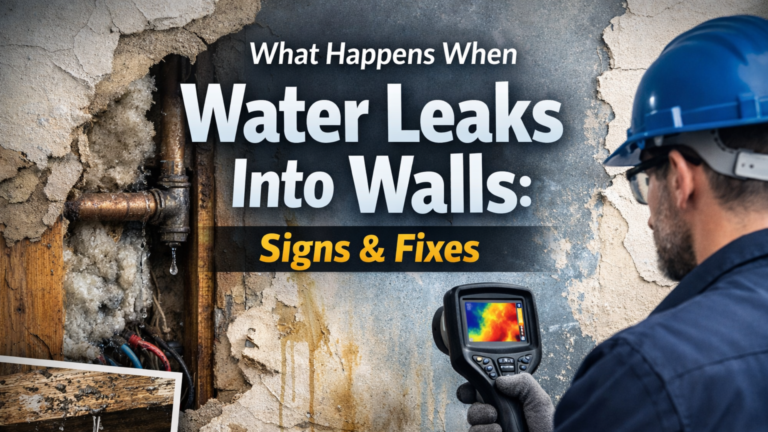
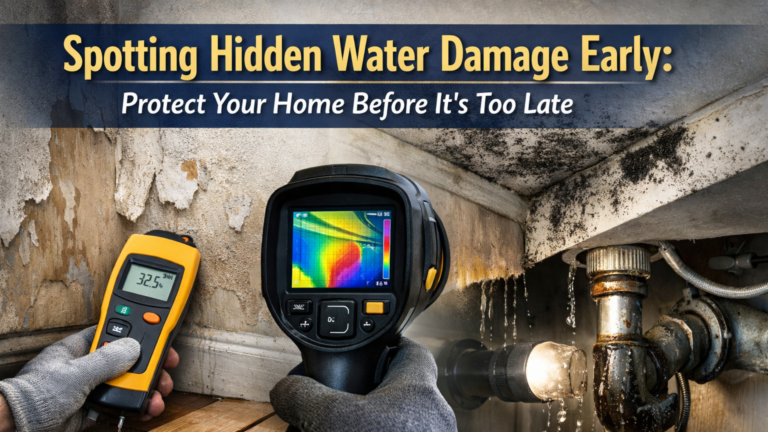
Professional water damage restoration companies use specialized equipment such as moisture meters, thermal imaging cameras, industrial dehumidifiers, and air movers to detect and eliminate hidden moisture. This ensures that water does not remain trapped behind cabinets or under floors—areas homeowners cannot access on their own.
Certified technicians also follow industry standards for water extraction, structural drying, and sanitation, reducing the risk of mold growth and long-term structural damage.
For LA homeowners dealing with insurance claims, professional documentation and reports also help streamline approvals.
Insurance Coverage for Kitchen Water Damage in Los Angeles
In most cases, homeowners insurance provides coverage for unexpected water damage caused by incidents like a pipe suddenly breaking or a household appliance malfunctioning. However, damage caused by long-term leaks or lack of maintenance may be denied.
Prompt reporting, professional assessments, and proper mitigation significantly improve the chances of a successful claim. Homeowners should always review their policy details and act quickly after discovering water damage.
Preventing Kitchen Water Damage: Practical Tips for LA Homeowners
Prevention is always more cost-effective than restoration.
- Inspect under-sink plumbing regularly
- Replace appliance hoses every 3–5 years
- Avoid pouring grease down drains
- Install leak detection devices
- Schedule periodic plumbing inspections
- Address minor leaks immediately
These simple steps can prevent thousands of dollars in repairs.
Final Thoughts
Kitchen water damage is a serious and often underestimated problem for Los Angeles homeowners. From hidden leaks behind cabinets to sudden appliance failures, the risks are real and the consequences can be costly if not handled correctly.
By understanding the causes, recognizing early warning signs, and relying on professional water damage restoration services when needed, homeowners can protect their property, health, and investment. Acting fast, staying informed, and prioritizing proper mitigation are the keys to minimizing damage and restoring peace of mind.