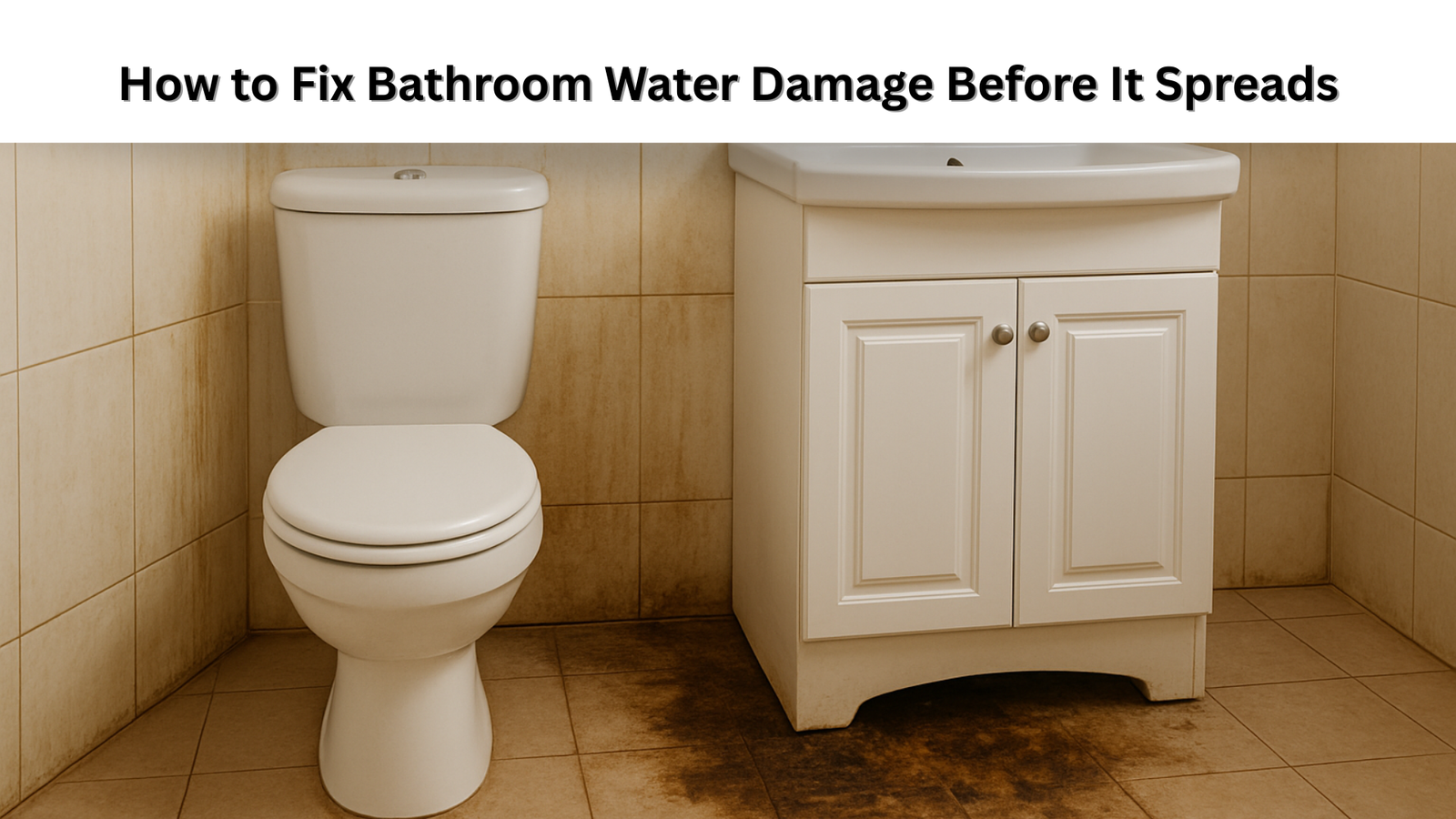
How to Fix Bathroom Water Damage Before It Spreads
Bathroom water damage is one of those problems that quietly grows behind tiles, under flooring, and around fixtures until it becomes a costly disaster. Whether you live in an older home or a modern apartment, even a small leak can turn into mold growth, structural issues, and expensive repairs if ignored. Understanding how to detect, manage, and prevent water damage in your bathroom is essential for keeping your home healthy and safe.
This guide covers early warning signs, step-by-step actions, expert tips, safety measures, and long-term prevention strategies—all written in a natural, human tone to help homeowners handle bathroom water damage before it gets worse.
Why Bathroom Water Damage Happens
Bathrooms are high-moisture spaces, and even the smallest plumbing fault can create hidden problems. The most common causes include:
- Leaking pipes behind walls
- Cracked or loose tiles
- Damaged caulking around bathtubs, sinks, or showers
- Faulty toilet seals
- Overflowing tubs and clogged drains
- Unvented steam that seeps into walls
Because moisture spreads fast, the damage often starts small but quickly affects drywall, subflooring, cabinets, and electrical systems.
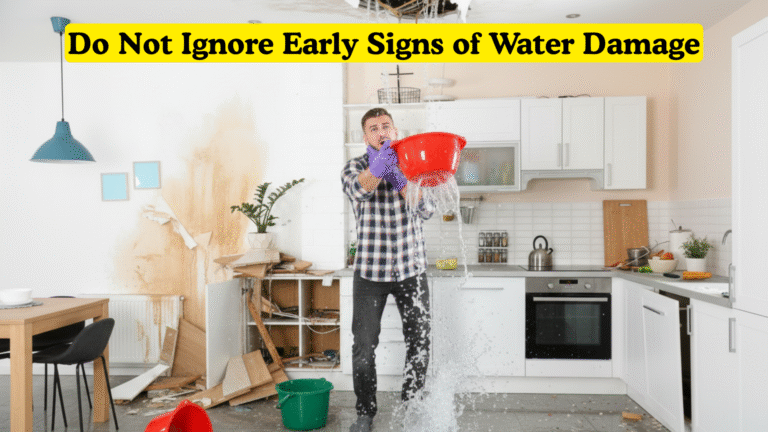
Early Warning Signs You Should Never Ignore
Catching water damage early can save you thousands. Look out for:
1. Musty Odor
A persistent damp smell usually signals standing moisture or mold growth behind walls.
2. Discolored or Peeling Paint
Bubbling, blistering, or flaky wall paint often indicates a leak inside the wall.
3. Soft or Warped Flooring
If your bathroom tiles or laminate flooring feel spongy, moisture has likely reached the subfloor.
4. Mold on Grout or Walls
Mold thrives in humid environments and spreads quickly. Black, green, or brown patches are a clear warning.
5. Unusual Water Bills
If your water bill suddenly increases, it often signals a leak you haven’t noticed yet.
6. Water Stains on Ceilings Below the Bathroom
This is especially common in double-story houses or apartment buildings.
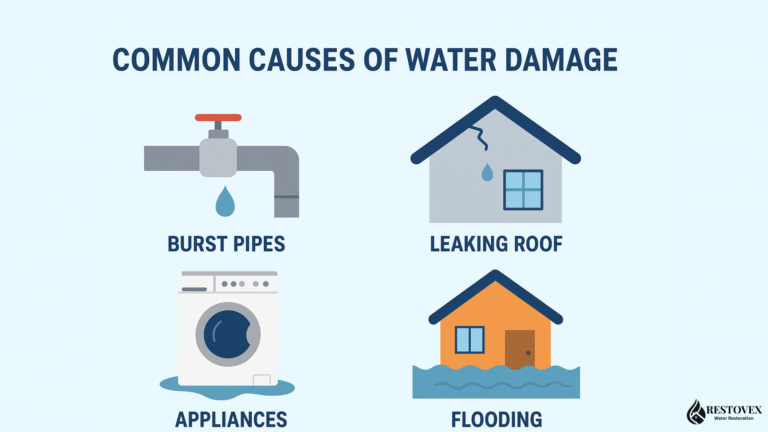
For a deeper look into other common causes of water damage, check out our website: Damage Restoration LA.
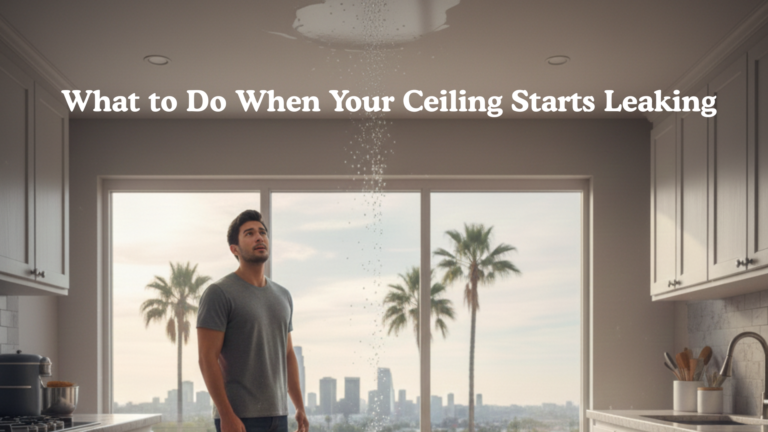
Immediate Steps to Take When You Notice Bathroom Water Damage
Acting quickly is what prevents a small issue from turning into a disaster. Here’s what to do:
1. Turn Off the Water Source
If the leak is from a toilet, sink, or shower line, shut off the valve. For major leaks, close the main water supply.
2. Identify the Source of the Leak
Common areas to check:
- Toilet base
- Under-sink pipes
- Showerheads and faucet connections
- Behind the washing area (if inside the bathroom)
If you cannot find the source, avoid guessing, this is where a water damage restoration expert can help.
3. Remove Standing Water Immediately
Use towels, a wet vacuum, or mops to prevent water from seeping deeper into flooring or cabinets.
4. Ventilate the Area
Open windows, turn on exhaust fans, and use portable fans to remove humidity.
5. Protect Electrical Outlets
Water and electricity are a dangerous mix. If water is near outlets, light fixtures, or switches, turn off the bathroom’s electrical supply.
6. Photograph the Damage
For insurance claims, take clear photos before doing any repair work.
Addressing Different Types of Bathroom Water Damage
1. Toilet Leaks
A faulty wax ring or loose bolts may cause water around the toilet base.
Fix: Replace the wax seal, tighten the bolts, and check the supply line.
2. Shower or Bathtub Leaks
Leaks often occur due to cracked tiles, worn grout, or broken drain seals.
Fix: Repair tiles, re-grout, and reseal the tub edges with waterproof caulk.
3. Sink Cabinet Damage
Wooden cabinets absorb water fast and may swell or grow mold.
Fix: Dry the cabinet, replace damaged wood, and fix loose faucet connections.
4. Subfloor Damage
Water under flooring is a serious issue that can weaken bathroom structure.
Fix: Remove damaged tiles, replace the subfloor, and install waterproof underlayment.
Learn about the top water damage problems in LA apartments here.
When You Should Call a Water Damage Restoration Expert
While minor leaks are manageable, certain situations require professional help:
- Mold growth spreading on walls or ceilings
- Persistent leaks behind tiles
- Water damage affecting drywall or subfloor
- Foul smell that indicates hidden moisture
- Structural weakening or sagging areas
Certified water damage restoration companies use tools like moisture meters, infrared cameras, dehumidifiers, and air scrubbers to accurately locate and repair damage ensuring your bathroom is safe and mold-free. Learn why fast water extraction is essential to prevent mold damage here.
Real-Life Example
Last year, a homeowner in Los Angeles ignored a tiny leak under the sink. What looked like a minor drip eventually soaked the cabinet, damaged the drywall, and caused mold to spread into the hallway. Repairing everything cost over $4,000—money that could’ve been saved if the leak was handled within the first week.
Another case involved a family in Pasadena who noticed their bathroom tiles feeling warm and loose. A broken hot-water line had been leaking for months, destroying the subfloor. They had to replace the entire bathroom floor.
Both situations highlight one thing: small leaks never stay small.
How to Prevent Bathroom Water Damage in the Future
1. Reseal Caulking Every 6–12 Months
Caulk around tubs, sinks, and showers breaks down with time. Reapplying a waterproof silicone seal prevents moisture seepage.
2. Clean Grout and Tiles Regularly
Mold grows quickly in dirty grout. Weekly cleaning helps prevent water from slipping through cracks.
3. Maintain Bathroom Ventilation
Switch on the exhaust fan during the shower and keep it running afterward to reduce humidity. Poor ventilation causes condensation and wall damage.
4. Inspect Pipes and Fixtures Every 3 Months
Look for rust, corrosion, mineral deposits, and loose fittings.
5. Install a Leak Detector
Smart leak detectors send alerts to your phone when moisture is detected.
6. Keep Drains Clean
Hair buildup leads to overflows. Use a drain filter and empty it regularly so clogs don’t form.
7. Fix Minor Issues Immediately
Don’t wait for a stain or smell—if something feels off, check it.
Why Timely Water Damage Response Matters
Delaying repairs can lead to:
- Mold growth within 24–48 hours
- Structural weakening of floors and walls
- Damage to wiring and electrical systems
- Higher utility bills
- Health issues from mold spores
- Expensive restoration projects
The longer water sits, the more it spreads and the more you pay later.
Conclusion
Bathroom water damage is one of the most common issues homeowners face, but it doesn’t have to become a major disaster. By spotting signs early, taking immediate action, and using proper preventive measures, you can protect your home’s structure, air quality, and value. When the problem feels bigger than a quick fix, call a water damage restoration expert before things get worse. In home maintenance, quick action is always cheaper than late repair.