How to Waterproof Your Home Before the Rainy Season in Los Angeles
Preparing your home before the rainy season is essential for protecting its structure, interior assets, and long-term value. Los Angeles homes especially older properties and hillside constructions are highly vulnerable to water intrusion because they face months of dryness followed by sudden, concentrated storms. A strategic waterproofing plan ensures your home remains safe, stable, and moisture-free throughout the season.
Below is a professionally crafted, field-tested guide to help LA homeowners reinforce their property before the first heavy rainfall arrives.
1. Conduct a Detailed Roof Inspection
The roof is the primary barrier between your home and incoming stormwater. Heat exposure, aging materials, and long dry periods often create weaknesses that only become visible during rain.
What to inspect:
- Damaged or lifted shingles
- Worn or loose flashing
- Cracks near skylights, vents, or chimneys
- Soft or sun-compromised areas
Addressing these issues in advance significantly reduces the risk of internal leaks and ceiling damage.
2. Clean and Realign Gutters & Downspouts
A properly functioning drainage system is essential in Los Angeles, where clogged gutters commonly cause water overflow, wall staining, and foundation moisture.
Before the rainy season:
- Remove leaves, palm debris, and dust buildup
- Secure sagging gutter sections
- Confirm that downspouts push water several feet away from the home
- Test flow with a garden hose to check for hidden blockages
This small preventive step protects both the exterior and structural base of your home.
3. Seal Exterior Cracks and Vulnerable Openings
Stucco cracks, small gaps around pipes, and aging caulking are frequent moisture entry points. Even minor openings allow water to seep behind walls and slowly deteriorate framing.
Focus on:
- Stucco hairline cracks
- Window and door frame edges
- Foundation joints
- Areas surrounding exterior utilities
A high-grade waterproof sealant provides a strong, long-lasting barrier.
4. Strengthen Window & Door Weather Protection
Stormwater often enters through worn seals or outdated weatherstripping. Older LA homes are particularly susceptible due to shifting structures and repeated seasonal temperature changes.
Perform the following checks:
- Replace cracked or brittle caulking
- Install new weatherstripping where needed
- Clean sliding door drainage tracks
- Inspect window sills for past moisture marks
Well-sealed openings improve both waterproofing and indoor comfort.
5. Prepare Basements & Crawl Spaces
Although basements are less common in Southern California, homes that do have them require additional moisture protection. These spaces naturally attract humidity and soil seepage during storms.
Recommended steps:
- Inspect for early signs of moisture streaking
- Test sump pumps
- Install vapor barriers where necessary
- Keep crawl space vents unobstructed
Proactive preparation prevents hidden water accumulation.
6. Ensure Proper Landscape Drainage & Grading
Effective site drainage is essential in preventing water from pooling around the home’s foundation—one of the leading causes of long-term structural deterioration.
Before the season begins:
- Confirm soil slopes away from the house
- Clear yard drains, area drains, and driveway channels
- Add extensions to downspouts
- Consider French drains in low-lying areas
Correct grading provides consistent protection during heavy rainfall.
7. Inspect Decks, Balconies & Exterior Walkways
Decks and balconies often develop unnoticed cracks or worn waterproof membranes. These surfaces become vulnerable during the first major storm.
Look for:
- Cracked concrete or tiles
- Peeling waterproof coatings
- Areas where water consistently pools
- Weak spots near edges or drain outlets
Applying a fresh waterproof coating improves durability and prevents structural seepage.
8. Schedule a Professional Pre-Rain Assessment
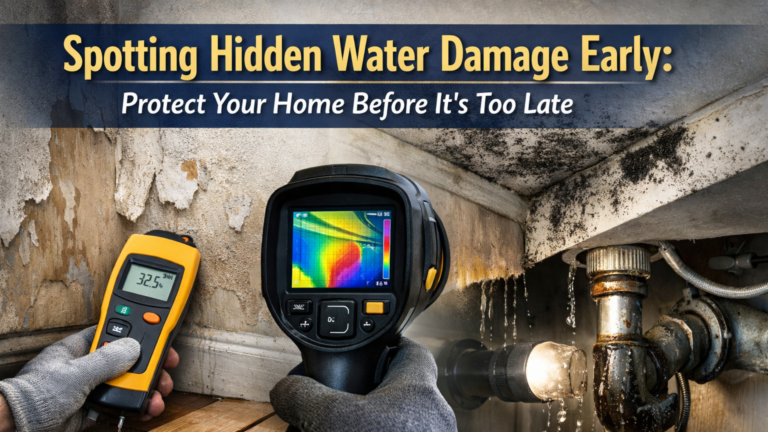
If your home has experienced leaks, stains, or moisture issues in the past, a professional inspection is highly advisable. Experts use specialized tools—such as thermal imaging and moisture meters—to identify hidden vulnerabilities before heavy rain exposes them.
A pre-season assessment helps homeowners avoid emergency situations and unexpected repair costs.
Conclusion
Water damage cleanup looks simple, but hidden moisture can quickly turn a small issue into a costly repair. DIY steps work only for minor, surface-level problems; anything deeper should be handled by trained professionals to avoid long-term structural damage. The key is acting fast, drying properly, and knowing when to stop and call experts. With the right approach, you can protect your home, prevent mold, and keep restoration costs under control.