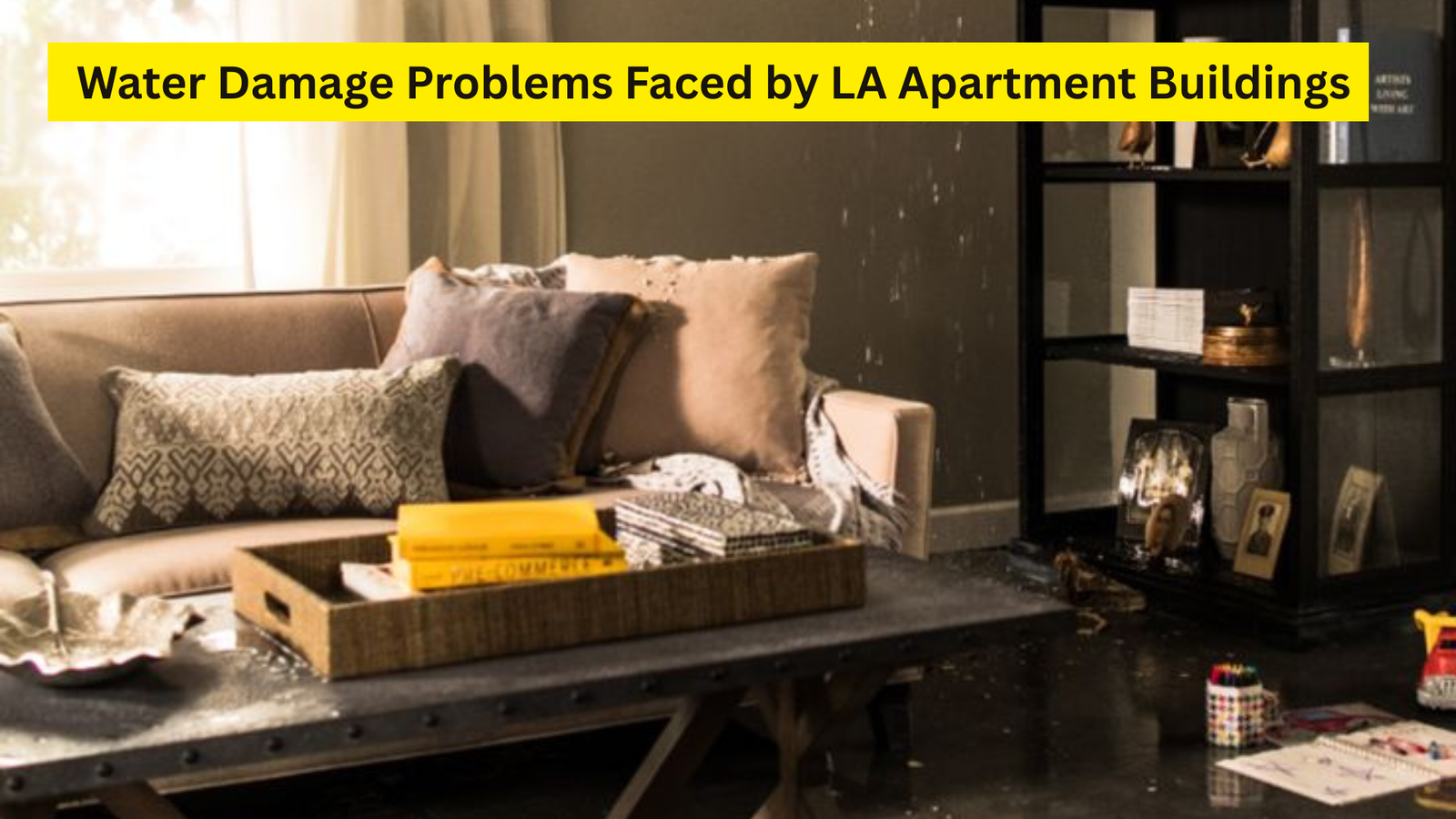
Top Water Damage Problems Faced by LA Apartment Buildings
Water damage is one of the most common—and most expensive—issues faced by apartment buildings across Los Angeles. Har saal, hundreds of renters, property managers, and landlords leaks, flooding, and structural moisture damage ke issues report karte hain. LA ke aging buildings, unpredictable weather patterns, and outdated plumbing systems in problems ko aur serious bana dete hain.
1. Roof Leaks Caused by Aging LA Buildings
Many apartment buildings in Los Angeles were built decades ago, and their roofing materials have reached the end of their life. When heavy rainstorms hit especially after long dry periods water begins to seep through weak roof areas, damaged shingles, and clogged drainage systems.
Common signs include ceiling stains, sagging drywall, peeling paint, and water dripping from ceiling fixtures. Roof leaks are often most noticeable on the top floors, and ignoring them can lead to mold growth and structural weakening.
2. Plumbing Failures in Multi-Story Complexes
Older LA apartments often rely on outdated cast-iron or galvanized pipes that corrode over time. As these pipes weaken, they develop slow leaks, burst unexpectedly, or allow water to seep behind walls and flooring.
Major plumbing issues include bathroom leaks between floors, kitchen sink overflows, hidden moisture inside wall cavities, and sudden pipe bursts. Because plumbing damage often starts small and goes unnoticed, it can cause extensive structural deterioration before anyone detects it.
3. HVAC System Leaks and Condensation Issues
Due to LA’s warm climate, HVAC units run almost year-round. When air-conditioning drain lines get clogged or the system isn’t maintained, condensation builds up and leaks into walls, closets, and flooring.
This type of water damage is dangerous because it remains hidden for weeks. By the time tenants notice damp walls, musty smells, or buckling wood floors, mold may have already spread behind the drywall.
4. Leaking Windows and Poor Waterproofing
Los Angeles buildings—especially those near coastal or high-wind areas—frequently suffer from worn-out window seals and outdated waterproofing. When seals crack or deteriorate, rainwater slips through window frames and enters interior walls.
Typical signs include moisture around window edges, mold in the corners, weakened drywall, and drafts mixed with humidity. This issue is especially common in older high-rise apartments where wind pressure forces water inside during storms.
5. Sewer Backups in High-Density Neighborhoods
Areas with dense populations—such as Downtown LA, Koreatown, Hollywood, and surrounding communities—often face frequent sewer line overloads. When the city’s drainage system gets blocked or overwhelmed, wastewater can backflow into the lower-level apartments.
Sewer backups are extremely hazardous because contaminated water contains bacteria, chemicals, and harmful pathogens. Carpets, flooring, and furniture usually become unsalvageable, and professional cleanup becomes mandatory within hours.
6. Slab Leaks Under Ground-Floor Units
Slab leaks occur when water lines underneath a building’s concrete foundation crack due to pressure, age, or soil movement. Los Angeles, being an earthquake-prone region, experiences soil shifting that weakens underground pipes.
Warning signs include unusually warm spots on the floor, lifted tiles, constant sound of running water even when taps are closed, and cracks forming in walls or flooring. Slab leaks are expensive and require immediate attention to prevent major structural damage.
7. Appliance-Related Leaks
Shared laundry rooms, aging water heaters, and malfunctioning washing machines are also major sources of water damage in LA apartment buildings.
Washing machine overflows and water heater failures can flood hallways, seep into lower units, and lead to widespread mold within 24–48 hours. Since most water heaters in older apartments last only 8–10 years, sudden failures are very common.
Why Los Angeles Apartment Buildings Experience These Issues More Often
Several unique factors make LA apartment complexes more vulnerable to water damage:
Climate Factors
- Sudden winter storm surges
- Intense rainfall after long periods of heat
- Temperature swings that cause pipes to expand and contract
Infrastructure Factors
- Decades-old plumbing systems
- Poor ventilation in older buildings
- Outdated waterproofing materials
Population Density
- Multi-story buildings sharing interconnected plumbing
- Frequent tenant turnover leading to delayed maintenance
All these elements combine to increase the risk of recurring water damage across the city.
Prevention Tips for Tenants and Property Managers
Ignoring early signs of water damage can lead to major repairs. Learn what happens if you don’t act in time.
For Tenants:
- Report even small leaks immediately
- Avoid overloading washing machines
- Clean HVAC drain lines regularly
- Inspect window seals before rainy seasons
For Property Managers:
- Conduct annual plumbing and roofing inspections
- Maintain proper waterproofing around windows and exterior walls
- Clean drainage systems regularly
- Keep a professional water damage restoration team on standby
Final Thoughts
Water damage in Los Angeles apartment buildings is a serious issue driven by aging infrastructure, climate patterns, and high-density living conditions. Whether it’s roof leaks, plumbing failures, HVAC condensation, appliance malfunctions, or slab leaks, each type of water damage can lead to costly repairs and long-term structural risks.
Timely detection, preventive maintenance, and professional restoration services are essential to protect both properties and the people living in them.