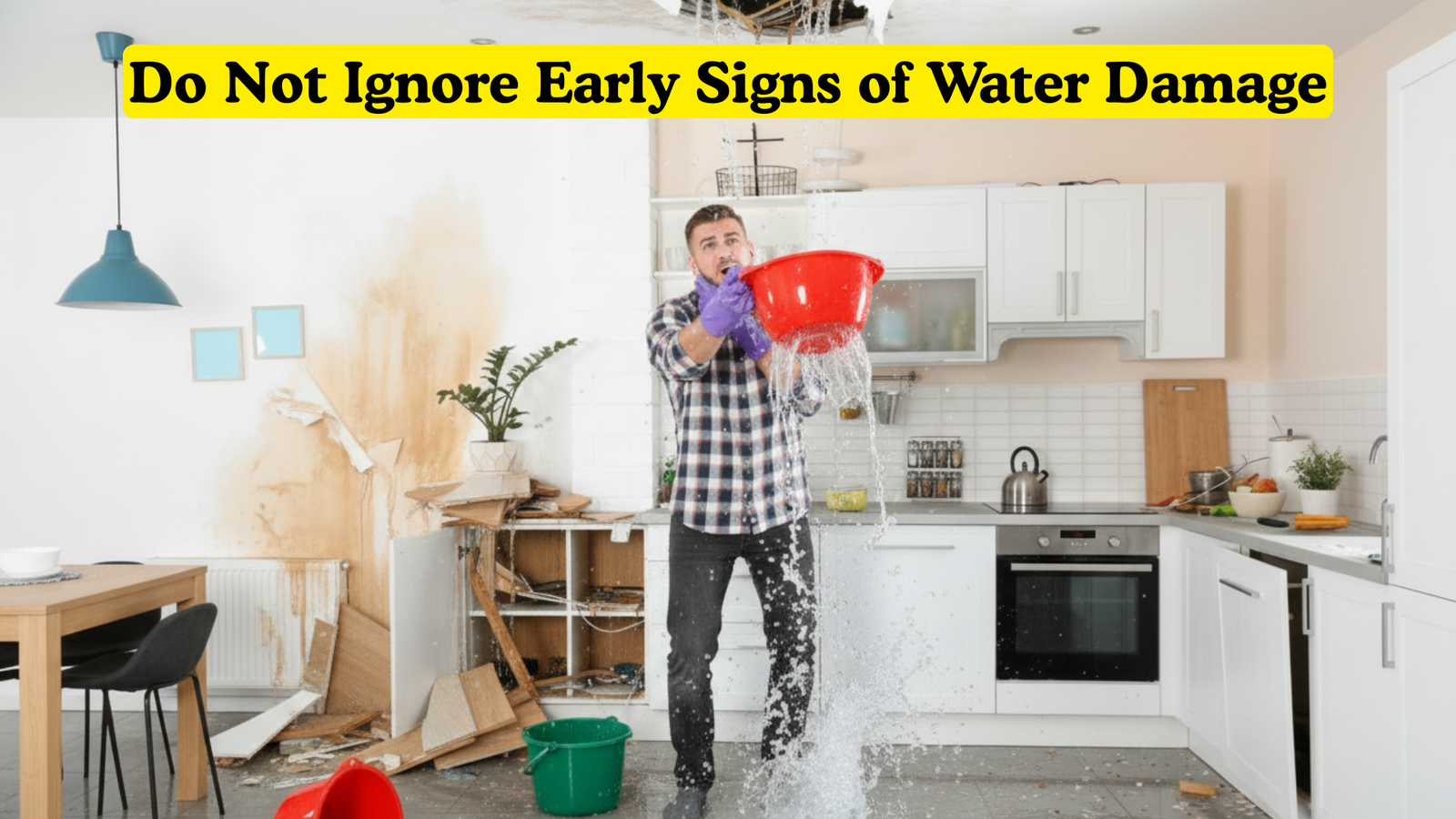
What Happens If You Ignore Early Signs of Water Damage?
Water damage rarely appears overnight. It usually starts with small warning signs—slight discoloration on the wall, a faint musty smell, or minor bubbling paint. Many homeowners in Los Angeles ignore these early indicators, assuming it’s “not a big deal.” Unfortunately, delaying water damage repair can turn a minor concern into expensive structural and health hazards.
This guide uncovers what actually happens when early signs of water damage are left untreated, and why immediate action protects your home, health, and wallet.
1. Early Signs Most Homeowners Overlook
Most water damage begins quietly. Small stains, damp smells, or slight wall bubbling often seem too minor to worry about. Homeowners assume it’s a temporary issue caused by humidity or old paint. But in reality, these indicators suggest moisture is already entering places it shouldn’t—behind walls, under flooring, or near plumbing lines.
Ignoring these early hints allows hidden leaks and moisture buildup to worsen over time.
2. Structural Damage Progresses Silently
When moisture sits inside building materials, it slowly weakens them. Wood begins to soften and lose its shape, drywall absorbs water and crumbles, and ceilings become heavy enough to sag. The damage takes time to show on the surface, which is why many homeowners don’t realize how serious the problem has become until it’s too late.
By the time visible cracks, warping, or sagging appear, the internal structure has already lost significant strength.
3. Mold Growth Starts Fast
- Mold begins spreading within 1–2 days in damp spaces
- Warm climates like Los Angeles accelerate mold growth
- Spores travel through air vents and HVAC systems
- Hidden mold can contaminate entire rooms without warning
If untreated, mold becomes a major health hazard, affecting air quality and causing respiratory issues.
4. Indoor Air Quality Gets Worse Over Time (Paragraph Only)
As moisture stays trapped, it raises humidity levels indoors. This creates an ideal environment for bacteria and mold spores to spread, affecting the air you breathe. People in the home may experience persistent coughing, allergies, headaches, and fatigue.
Even if you don’t see mold, poor air quality often signals that moisture damage is developing behind walls or ceilings.
5. Hidden Leaks Increase Utility Bills
A small leak left unresolved impacts your water and electricity usage.
Here, short bullets add clarity:
- Water consumption rises even if your usage doesn’t
- Humid rooms force the AC to work harder
- Appliances like dehumidifiers run more frequently
These changes gradually increase monthly bills and indicate ongoing moisture intrusion.
6. Electrical Systems Become a Safety Hazard
When water reaches wiring, outlets, or junction boxes, the situation becomes dangerous. Moisture can cause short circuits, damage appliances, or even create fire hazards. Homeowners often don’t notice electrical damage until flickering lights or unexpected power issues appear.
This is why professionals always check electrical pathways after any type of leak.
7. Delaying Restoration Drives Up Costs
Water damage becomes more expensive the longer it stays untreated. What could have been a simple drying process transforms into a complex restoration project involving mold removal, structural repairs, flooring replacement, and electrical inspection.
Many insurance companies refuse to cover damages caused by homeowner negligence, making the situation even more costly.
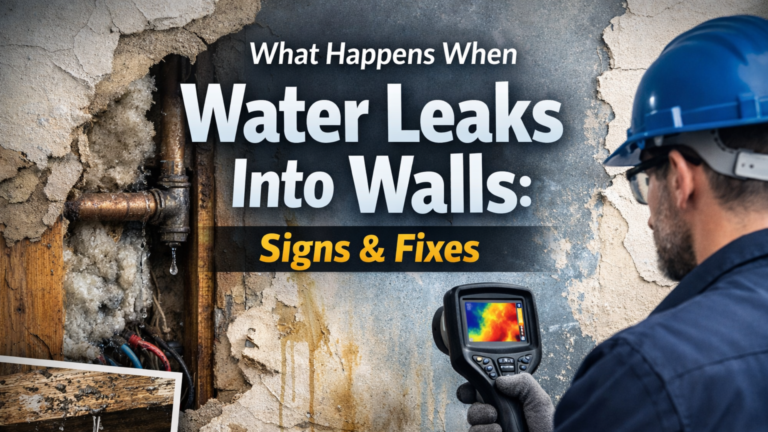
For a deeper look at what happens when water leaks into walls including signs and proven fixes read this complete guide
8. Your Property Value Drops Quickly
Untreated water damage leaves behind long-term issues that reduce home value:
- Permanent stains and odors
- Documented structural damage
- Failed inspections
- Costly repairs required before selling
LA apartment buildings face several common water damage issues. Click here to learn the top problems you should watch for.
9. When to Call a Professional Restoration Company
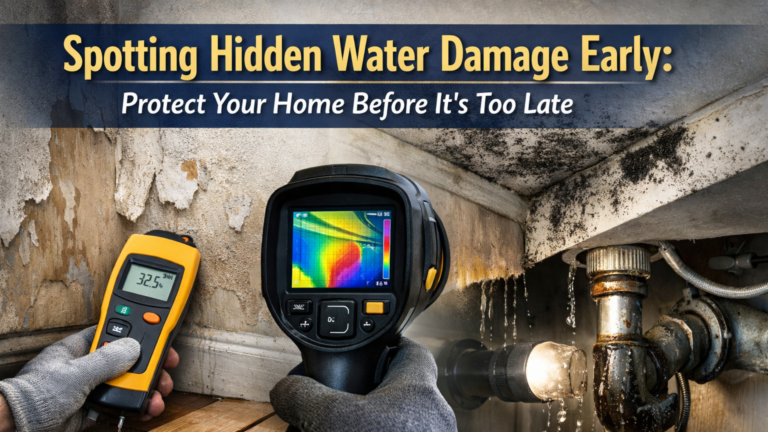
You should contact a certified water damage restoration team as soon as you notice consistent stains, odors, humidity, or any unusual moisture activity. Professionals use advanced tools like thermal imaging cameras and moisture meters to detect hidden water before it spreads further.
Quick action prevents unnecessary damage and keeps repair costs manageable.
Conclusion:
Ignoring early signs of water damage may seem harmless, but the consequences grow quickly structural deterioration, unhealthy indoor air, mold growth, and high repair bills. Addressing moisture issues at the first sign is the most effective way to protect your home and avoid long-term complications. Early action not only saves money but also ensures your property stays safe, healthy, and structurally sound.